
CHOA CONNECTS 2025 Conference Review - Part 1
‘Gravity and Grit’: Highpoints and Keynotes of CHOA CONNECTS 2025
The Canadian Heavy Oil Association hosted its annual CHOA CONNECTS conference on November 19, bringing together 250 professionals and thought leaders to discuss issues and opportunities critical to the success of the Canadian heavy oil industry. Tagged with the theme “Gravity and Grit: Stability, Strategy, and Heavy Oil in Dynamic Times,” this year’s event was filled with engaging conversation about industry’s resilience, innovation and relentless pursuit of excellence in the face of constant change.
In her opening address, CHOA President, Valerie Stewart, emphasized CHOA’s valuable role as a catalyst for innovation and collaboration in Canada’s energy sector, as well as her mission to bring the heavy oil community together to harbour curiosity and inspiration from new learnings and connections.
“This year’s CONNECTS Conference highlights the tremendous efforts taken to enhance operational efficiency, embrace digitization and AI, and develop strategies that build resilience in today’s ever-changing political and economic environment…”
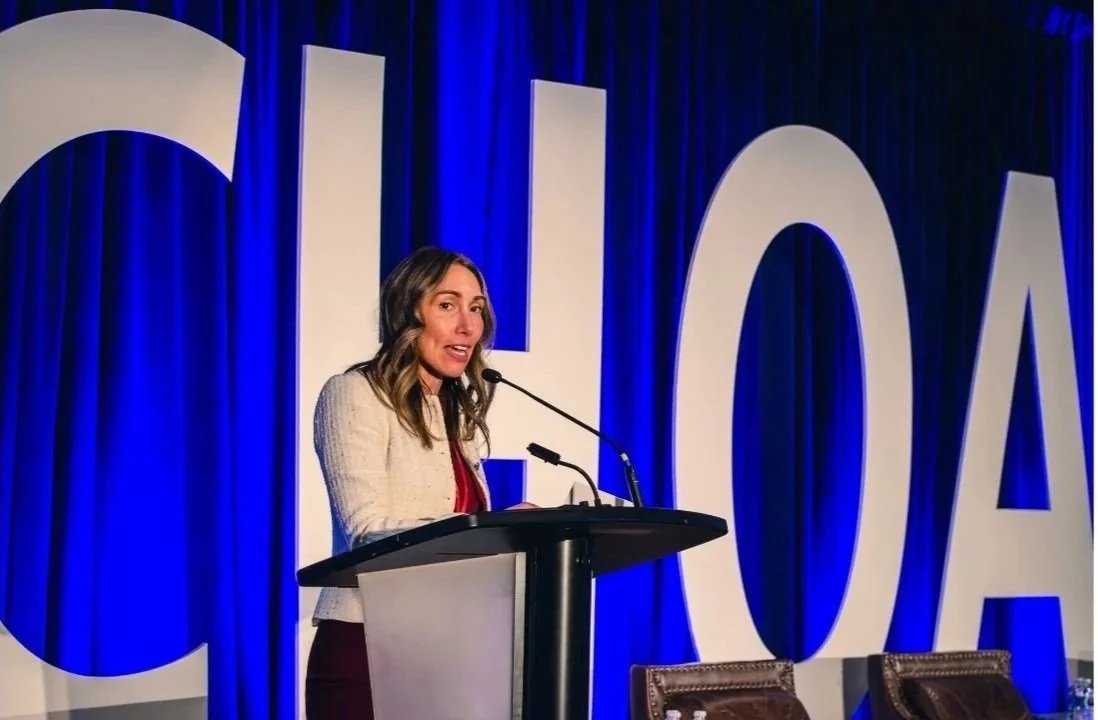
Even amidst challenges, we have shown unwavering resilience and unlocked new opportunities for Canada’s heavy oil sector, creating pathways to bring our product to market and strengthen our global presence… Together, we can continue to collaborate, innovate, and create opportunities for all of us.”
The following article is the first of a five-part series, in which we review this year’s event sessions and provide members with key takeaways to consider as we plan for another successful year in 2026.
In Part One, we explore three engaging keynotes delivered by Shelley Powell, SVP Operational Improvement & Support Services at Suncor Energy, Rob Morgan, Chief Executive of the Alberta Energy Regulator, and Gitane De Silva of GDStrategy, that effectively embodied the spirit and themes of the day.
Focusing on Fundamentals: How Suncor fosters stability in dynamic times
To kick off the event, Shelley Powell, Suncor SVP Operational Improvement and Support Services, delivered a compelling keynote exploring the factors shaping today’s energy landscape and the actions Suncor is taking to foster resilience and competitiveness. She provided a high-level overview of global energy trends and the geopolitical dynamics contributing to shifting market conditions. Against this backdrop, Shelley shared her perspective on fostering stability in dynamic times, emphasizing Suncor’s continued ‘focus on fundamentals’ and its approach to embracing ‘gravity and grit’ as key success drivers.
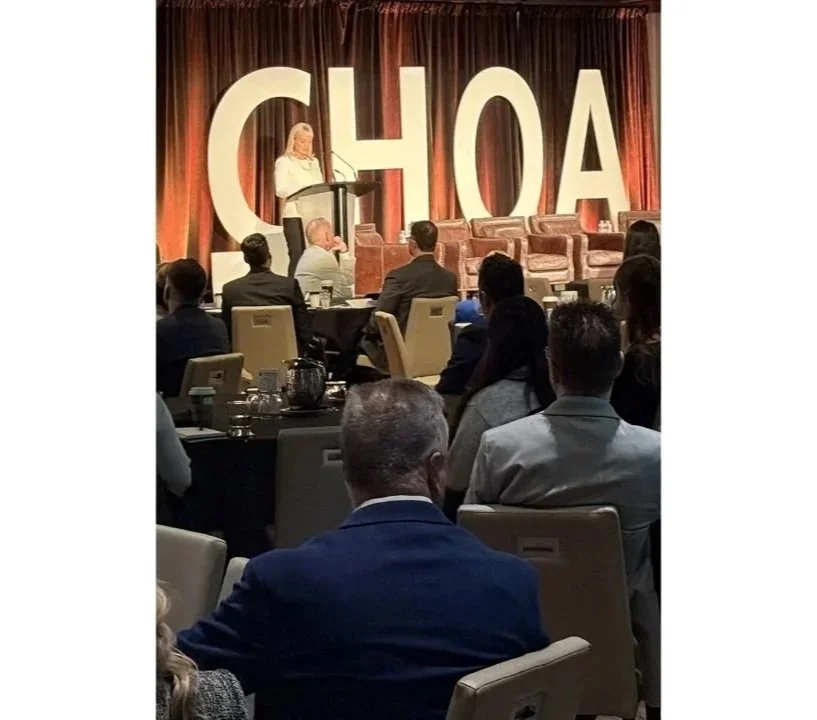
“If there’s one thing I’ve learned through it all, it’s that unpredictability is a constant in our industry. “We can’t control our external environment, whether it’s economic forces or global events. But what we can control is how we operate, how we show up and how we respond. That’s where clarity, simplicity and focus come in. Suncor’s resilience is deliberate. We build it every day, through our teams, our processes and our steadfast commitment to operational excellence.”
Shelley highlighted two examples of these principles in action: the company’s coke drum integrity project, demonstrating how strategic planning and focused execution can drive world-class performance, and the ‘rock star’ Firebag SAGD operation, celebrated for its continuous improvement, reliability and cost performance.
She noted that by remaining focused on the fundamentals of safety, reliability and profitability, Suncor continues to navigate uncertainty with confidence and reinforce its role as a leader in Canadian energy.
Rounding off her address, Shelley described how ‘gravity and grit’ serve as guiding principles that can help the industry achieve great things. Gravity is the force that pulls people toward each other to collaborate and find solutions, while grit is the character to persevere, focus on fundamentals and drive to constantly improve.
Demystifying the Regulator – Rob Morgan’s introduction to the AER
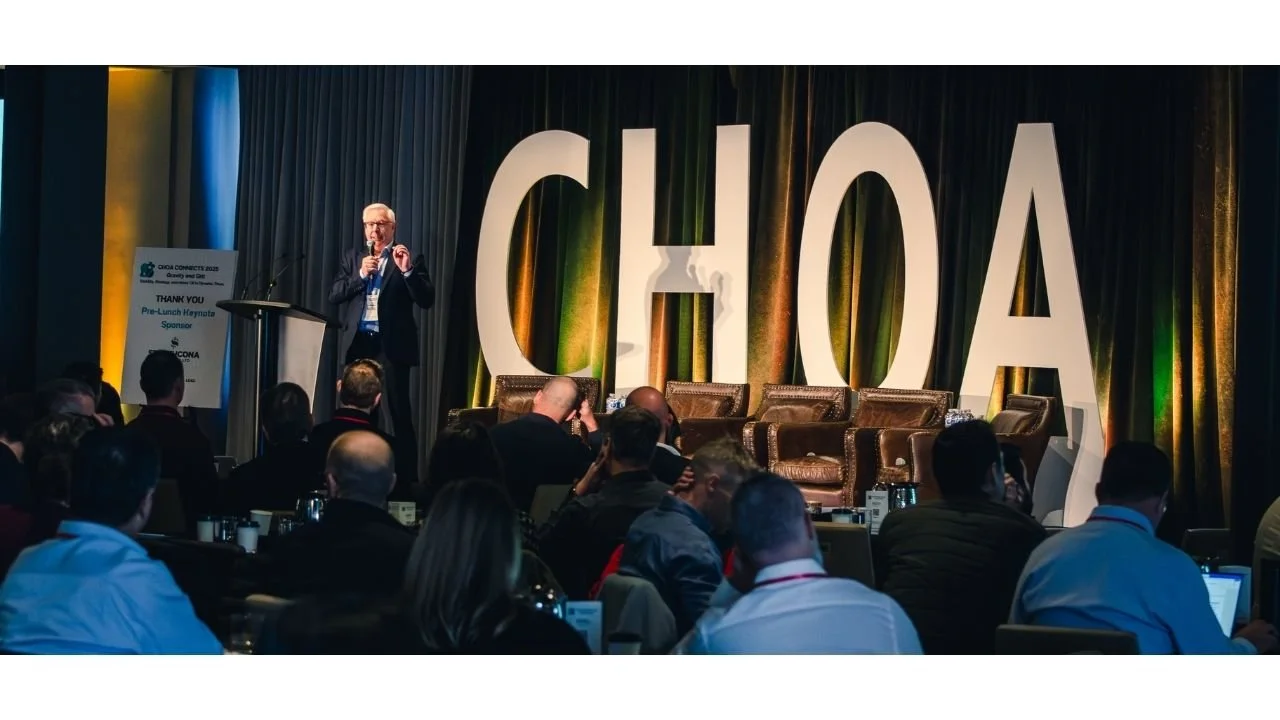
Rob Morgan, CEO of the Alberta Energy Regulator (AER) provided a refreshing ‘behind the scenes’ look at the AER in his pre-lunch keynote, ‘Demystifying the Regulator.’ Rob took the time to reflect on the significant change he has witnessed over his 40-year career, and the critical importance of understanding the business side of the industry.
He points out that while the AER is committed to helping industry navigate the complex regulatory system, there has historically been a disconnect between the regulator and industry with significant room for improved communication and collaboration. Historically, the government has not fully understood the energy business, and Rob hopes his expertise and business lens will help to improve this critical disconnect.
Rob detailed many of the meaningful improvements he hopes to bring to the regulator by refocusing on its original mandate of supporting energy development, and mapping out a new strategic blueprint aimed at driving regulatory efficiencies and reducing red tape. The AER’s board has prioritized a review of the regulator’s risk appetite, outlining six risk statements to test throughout the organization. While the regulator has important responsibilities constrained by legislation he notes that there are areas of flexibility that can be explored to expedite development. Rob highlighted liability management is a focus of the AER, with the government’s three top priorities including 1) growing Alberta’s oil production, 2) implementing a liability management framework and 3) developing a mature asset strategy.
Concluding Keynote: Domestic and global politics shaping industry
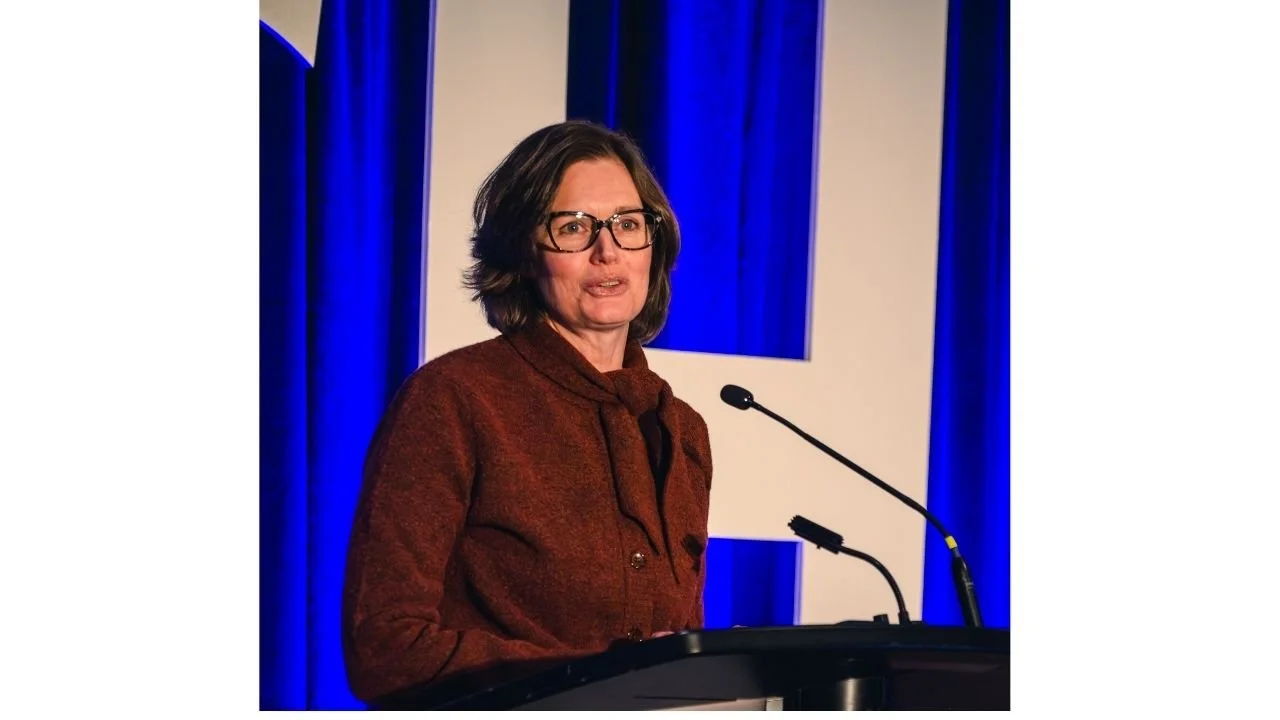
In the event’s concluding session, Gitane De Silva provided a compelling speech covering the current geopolitical dynamics between Canada, the U.S. and global trade partners, noting that we have entered a new era with the world shifting away from a U.S.-dominated system to a bipolar one led by the U.S. and China, which is reshaping global foreign policy, supply chains and energy security. Consequently, Canada’s relationship with the U.S. has fundamentally changed. While the U.S. is after energy security, critical minerals and reliable North American supply chains, Canada wants economic sovereignty, reduced barriers to internal trade and diversification of exports. Yet its economy and energy infrastructure are deeply integrated, and it will take time to achieve true diversification. In the meantime, Gitane suggests that stability of North American markets is essential to Canada’s long-term success given its trade with the U.S. is five times larger than all other free trade partners combined. The speech concluded with a call to action, that it is incumbent on all Canadians to be engaged in shaping the country’s economic and geopolitical outcomes:
“Even in the current reality, there is no more important relationship for Canada than with the United States. We used to be the envy of the world, having basically tariff-free access to the world’s largest economy. But now that our neighbour is not as friendly as we would like, we cannot up and move. We will find a way to sort this out.
But it will take understanding what has changed in the United States, and it will take the direct involvement of Canadians. Democracy is a sport that requires the active participation of its citizens, and that doesn’t just mean voting every four years. It is incumbent upon all of us to actively engage in this conversation and try to create the future that we want.”

Stay Tuned for Part 2…
In Part Two of our upcoming five-part series, we review themes from the CHOA CONNECTS 2025 event’s first panel discussion, “Operational Efficiency in Canadian Oil & Gas,” in which our guests explored the tactics that oil and gas operators are using to reduce costs, mitigate risks and compete in today’s complex market. Future editions will further cover the topics of digitization, heavy oil growth opportunities and constraints, as well as domestic and global politics.

Jared is a seasoned energy investment professional with two decades of experience in equity research and capital markets. He currently serves as Principal, Knowledge Products (Capital and Carbon Markets) at Studio.Energy, a boutique energy intelligence firm. Jared previously served as Director and Market Specialist at BMO Capital Markets, where he played an integral role in thought leadership, producing differentiated thematic research for institutional investors and industry partners. Through this work, Jared developed deep expertise across global energy markets, spanning commodity fundamentals, corporate strategy, carbon policy, and technology, and emerged as a leading benchmarker of the Canadian energy industry’s performance and potential in a global context. He holds a Bachelor of Commerce from the University of Calgary (with distinction) and is a CFA Charterholder.