CHOA CONNECTS 2025 Conference Review - Part 2
‘Gravity and Grit’ Part 2: Operational Efficiency in Canadian Oil and Gas
In Part One of our five-part series covering the recent CONNECTS 2025 conference, we reviewed the event’s engaging keynote speeches that covered themes including the critical importance of a focus on business fundamentals, the overhaul and enhancements being undertaken by the Alberta Energy Regulator, and shifting geopolitical dynamics impacting the industry.
In Part Two of the series, we review our panel on “Operational Efficiency in Canadian Oil & Gas,” in which our guests explored the tactics that oil and gas operators are using to reduce costs, mitigate risks and compete in today’s complex market. The audience heard from four industry experts: Terry Chmelyk - Vice President Systems Software & Solutions at Spartan Controls; Craig Watt – Contact Engineering Manager at Suncor Energy; Rhys Mersereau – Senior Vice President Canada West at Worley; and Tom Gear, Former Senior Vice President Oil Sands at MEG Energy. Top-of-mind themes included industry’s constant drive for operational excellence to compete for investor capital, the opportunities and challenges that digital transformation presents in driving this forward, and the critical role of leadership in aligning problems with solutions and managing change with an evolving workforce.
Terry Chmelyk laid the foundation of discussion with a presentation on digitization and its expanding role in industry safety, productivity and asset optimization. He revisited the theme of ‘Gravity & Grit’, noting:
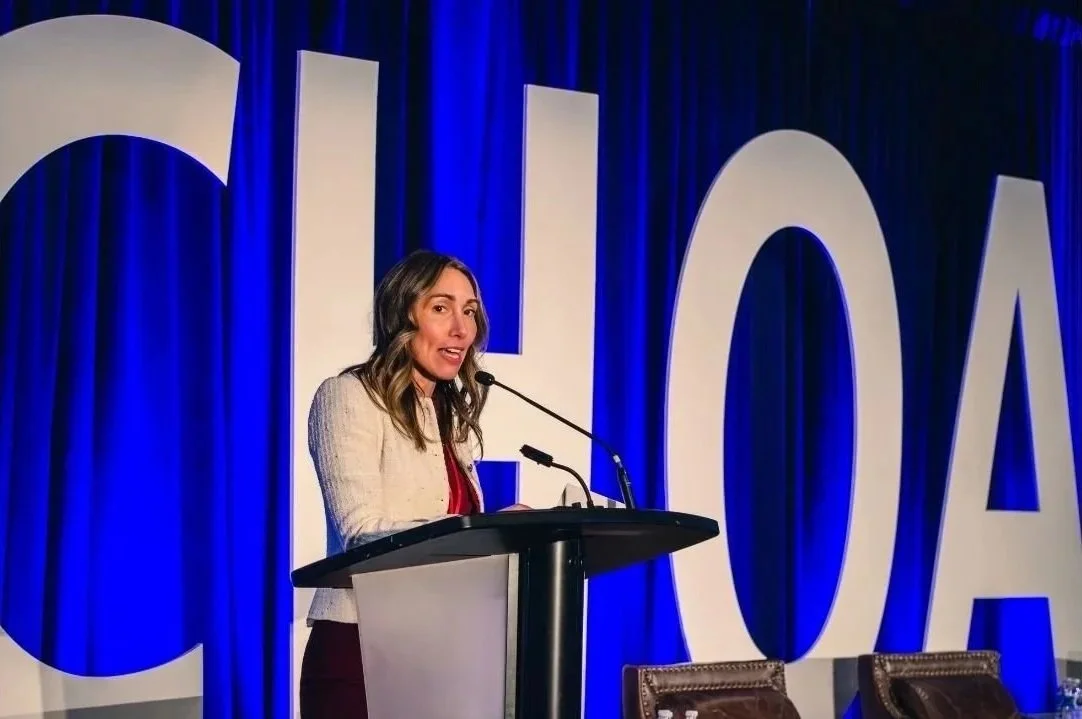
“Today’s keynote emphasized the constant change that we're undergoing as an industry, and it's no different on the technology front - it's going to continue to evolve. What is important is that we have a vision and strategy, ‘grit and gravity,’ and embrace that change to create value.”
An overarching message was the importance of technology to achieve next level efficiency, and the need for a vision and strategy to embrace change. Terry discussed the need for a foundational approach, first introducing fundamental applications in sensing, measurement and data analysis before expanding automation layers and applying advanced process controls. Advanced automation has already led to significant operational improvements, including in thermal SAGD. Terry sees the largest barrier to change is integrating technology into workflows, noting challenges of transforming legacy operations versus new greenfield projects which can be ‘born digital.’
Leadership, Collaboration and Innovation. The following expert panel discussed the need for effective leadership, collaboration and innovation to drive operational excellence. Panelists emphasized the importance of leaders listening to, empowering and building trust with frontline employees to identify the ‘right problems’ and place a singular focus on solutions, with Suncor reiterating a back-to-fundamentals approach highlighted in the days earlier keynote.The group widely agreed on the importance of ‘change management’ and the need for honest, transparent communication about go-forward objectives and workforce transformations. Terry Chmelyk emphasized:
“We need to be thinking about how technology is affecting our organizations. How do we adapt our personnel, and how do we create a resilient organization through building the competency around adaptability to change, because its going to be a constant.”
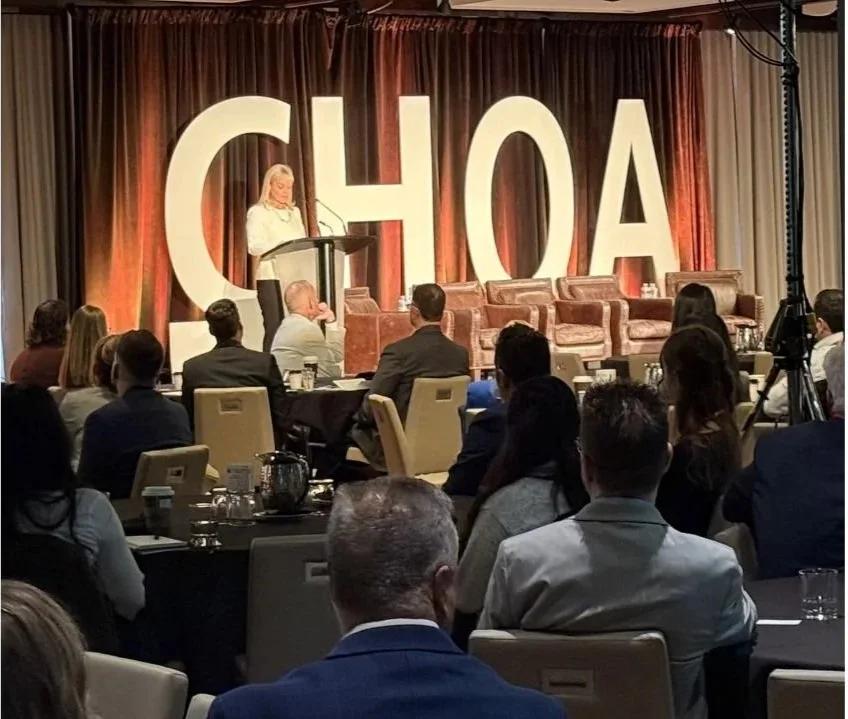
Speakers also discussed opportunities and challenges of industry collaboration, prescribing the need for early input from operations teams and strong lines of communication with suppliers. Experts saw opportunities for industry to be more strategically aligned on innovation, suggesting new partnerships that leverage core competencies. Several hurdles are seen in integrating technology to drive efficiencies, including challenges identifying ‘need cases’, difficulties modernizing legacy infrastructure, and gaps in training.
The panel underscored the value of aggregating and contextualizing vast operating data to support better business decisions. They also highlighted the real-world challenge of balancing cost reduction with workforce training, which is worsened by industry’s focus on capex versus opex. The session concluded with advice for emerging leaders to immerse themselves in the field, embrace innovation, create a culture of accountability and then let the experts execute and drive performance.
More to come in Part 3…
In the third edition of our five-part series, we review themes from the CONNECTS 2025 event’s second panel discussion, “Digital Solutions: Machine Learning and AI Applications in Heavy Oil,” in which our experts delve into the expanding role of Artificial Intelligence (AI), and how machine learning and other advanced technologies are driving better operating and business decisions in the heavy oil industry.